Jeonju Office
(54999) 2F, Jeonju Cine Complex, 22, Jeonjugaeksa 3-gil, Wansan-gu, Jeonju-si, Jeollabuk-do, Republic of Korea
T. + (0)63 288 5433 F. +82 (0)63 288 5411
Seoul Office
(04031) 4F, 16, Yanghwa-ro 15-gil, Mapo-gu, Seoul, Republic of Korea
T. +82 (0)2 2285 0562 F. +82 (0)2 2285 0560
Jeonju Cine Complex
(54999) 22, Jeonjugaeksa 3-gil, Wansan-gu, Jeonju-si, Jeollabuk-do, Republic of Korea
T. +82 (0)63 231 3377


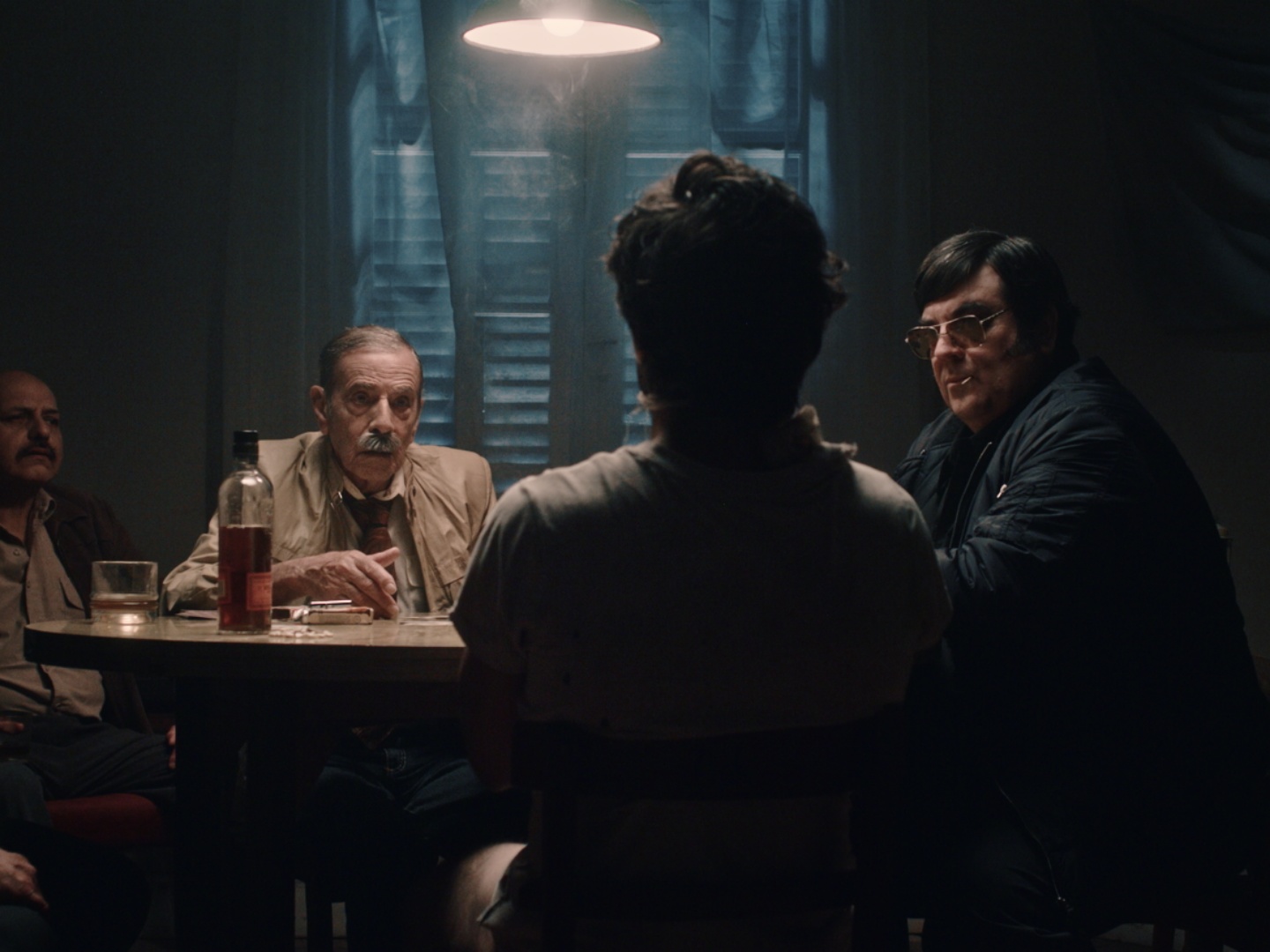
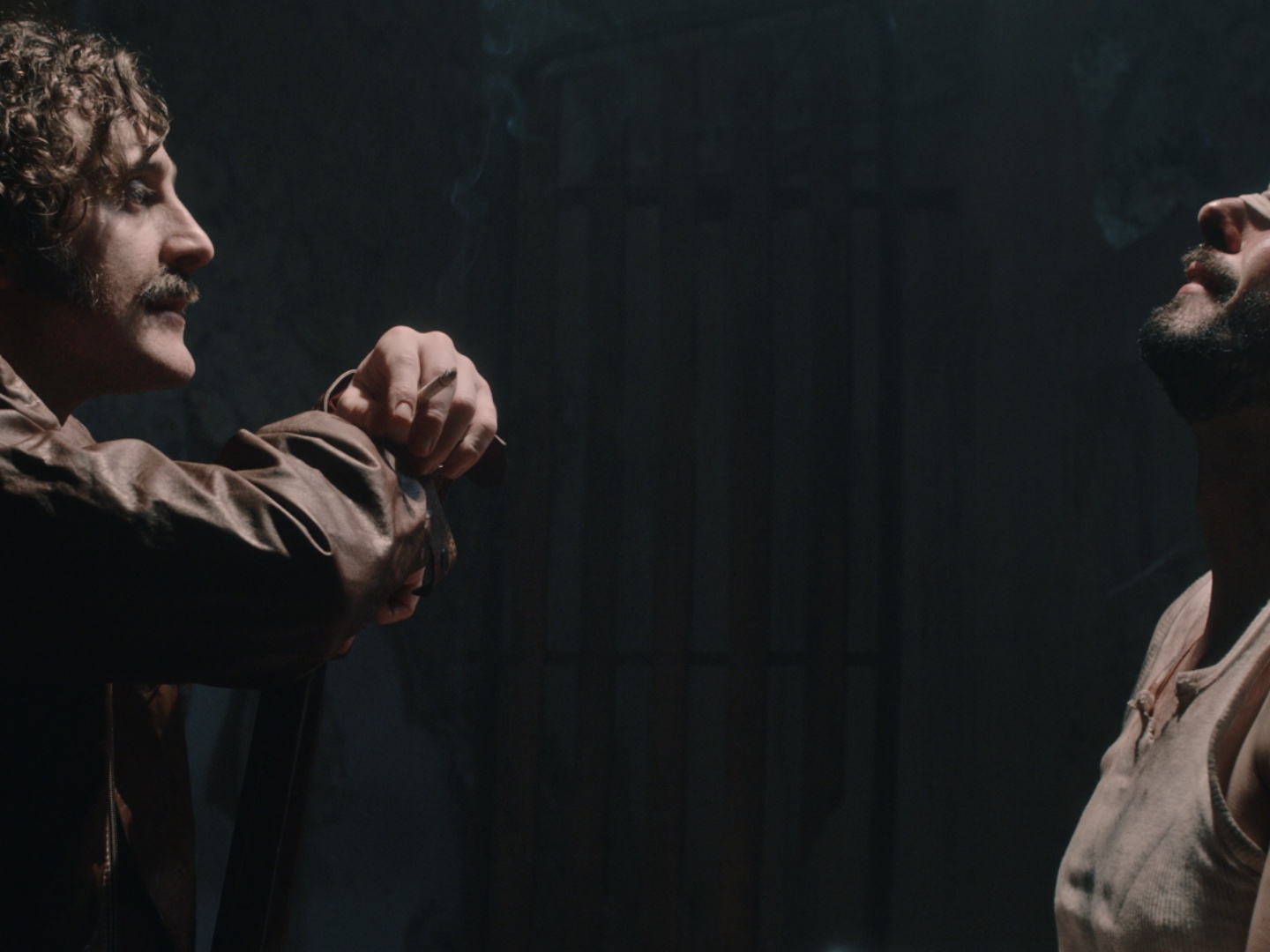
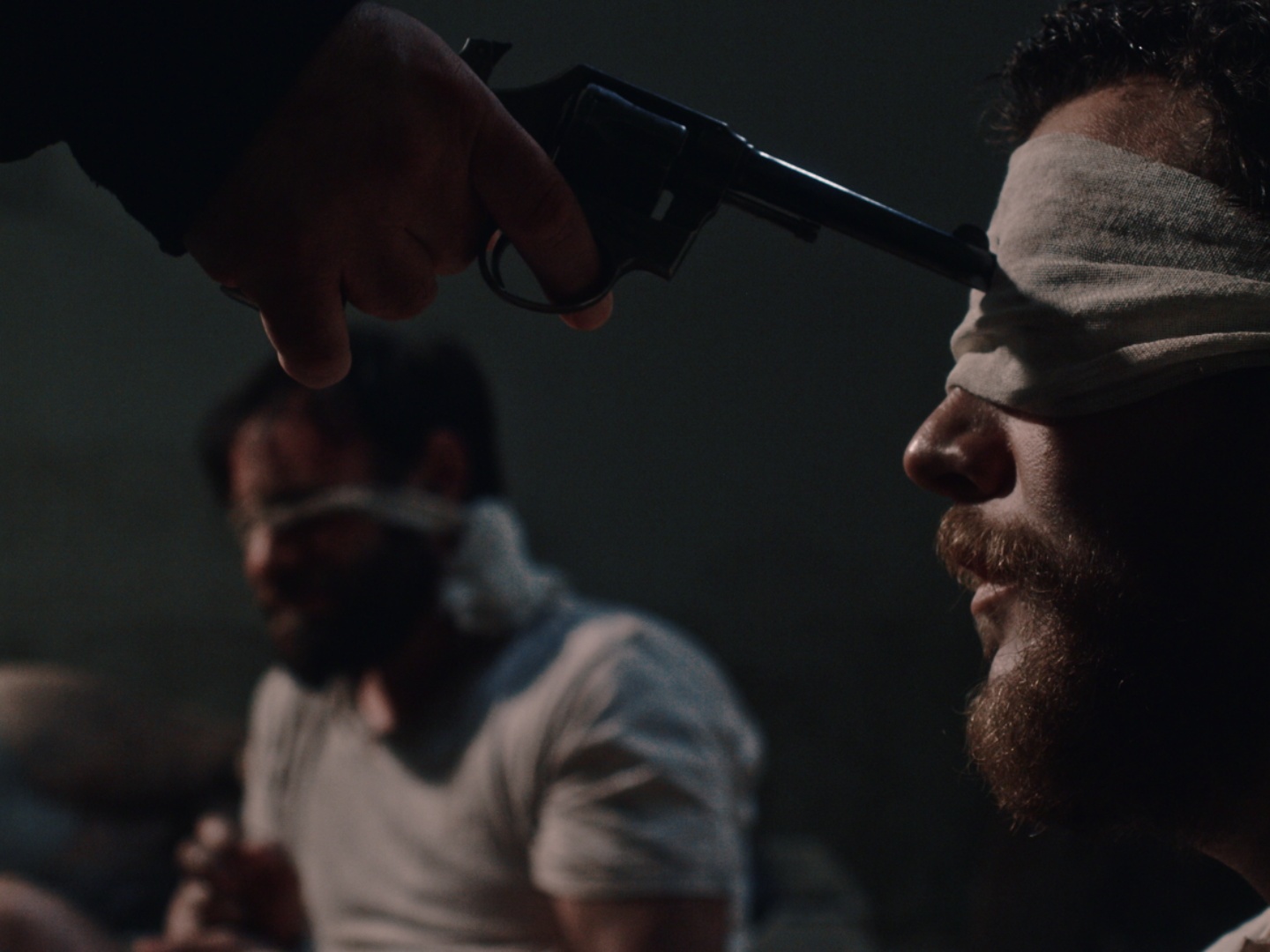
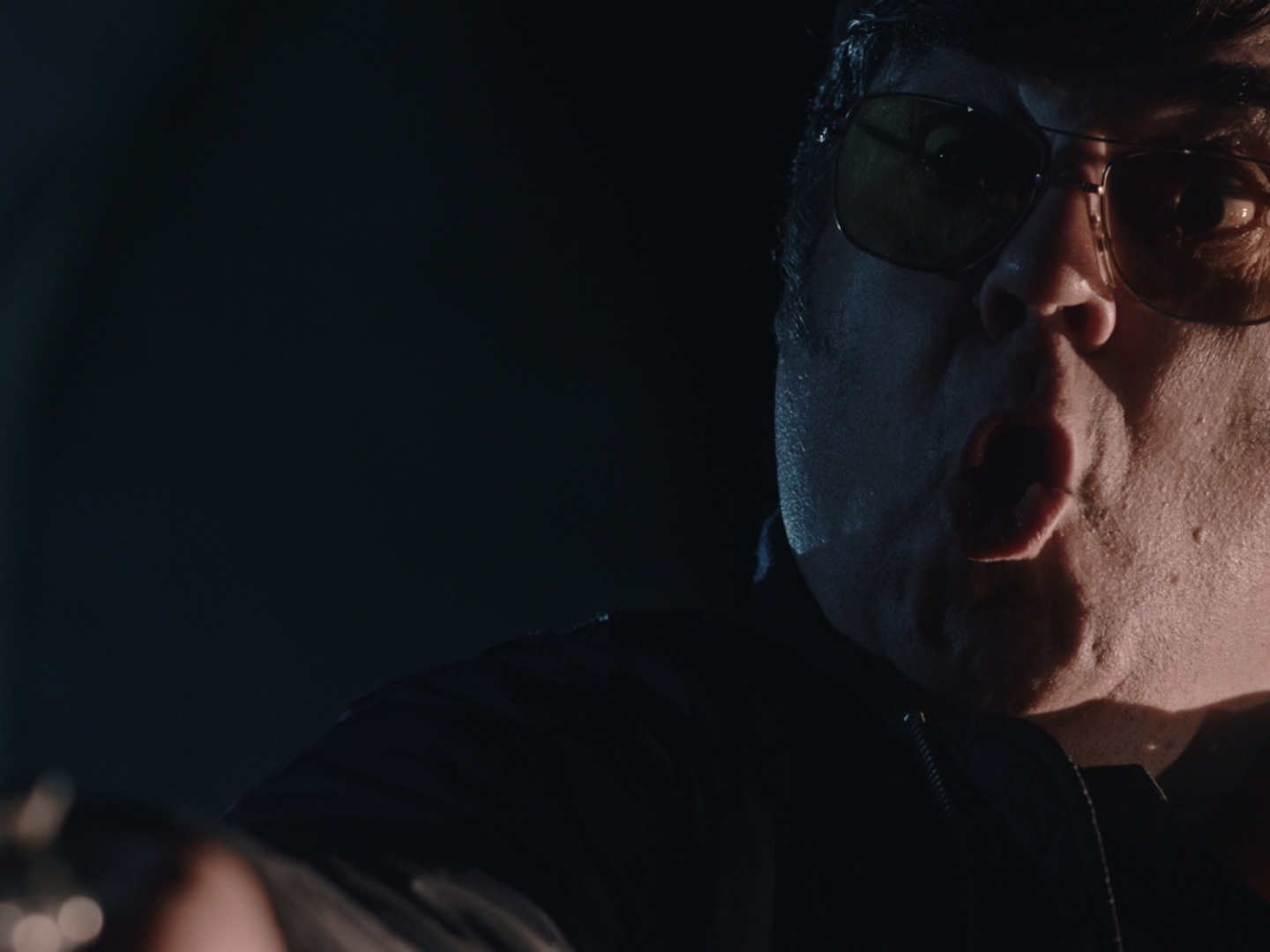
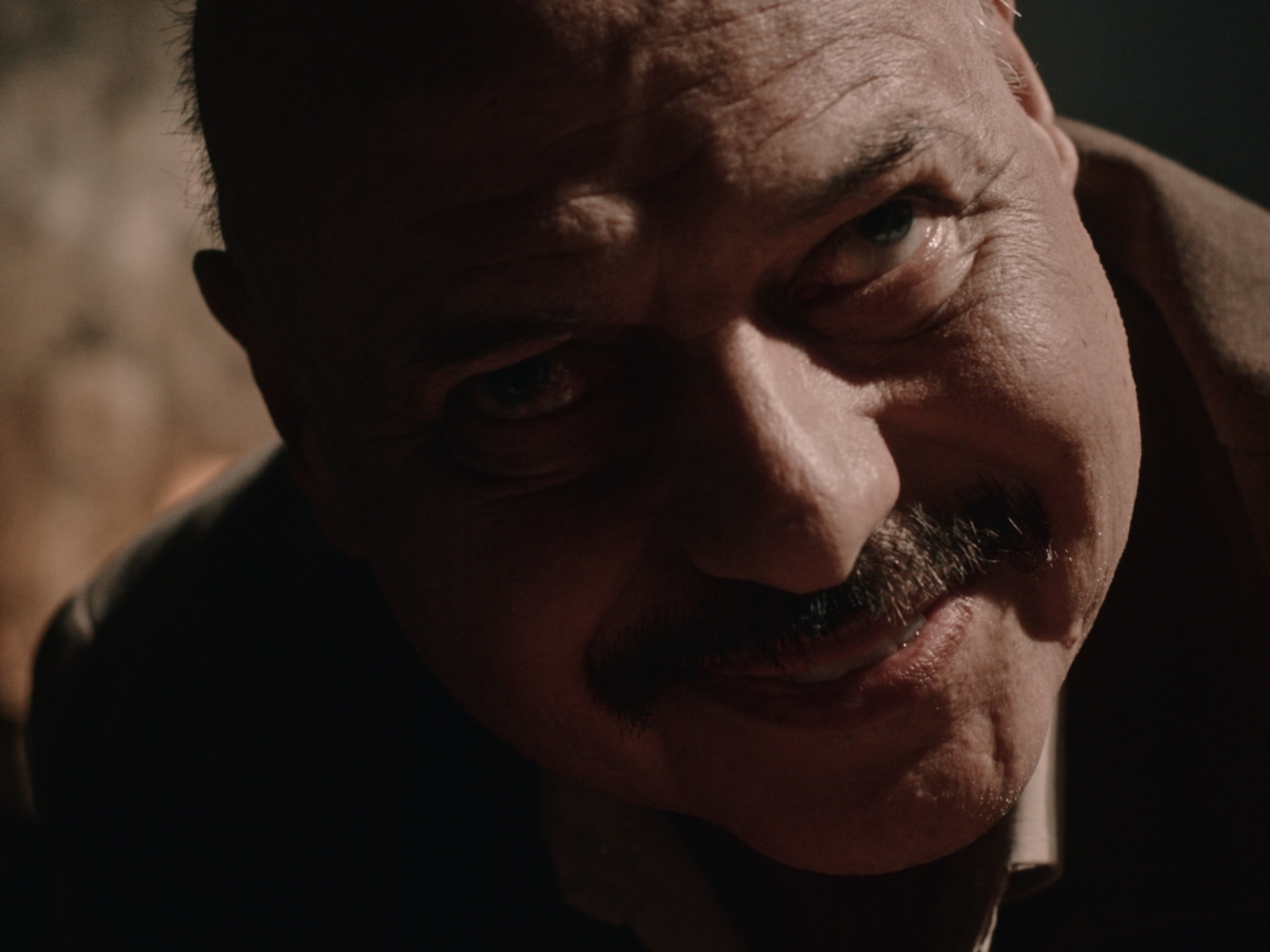
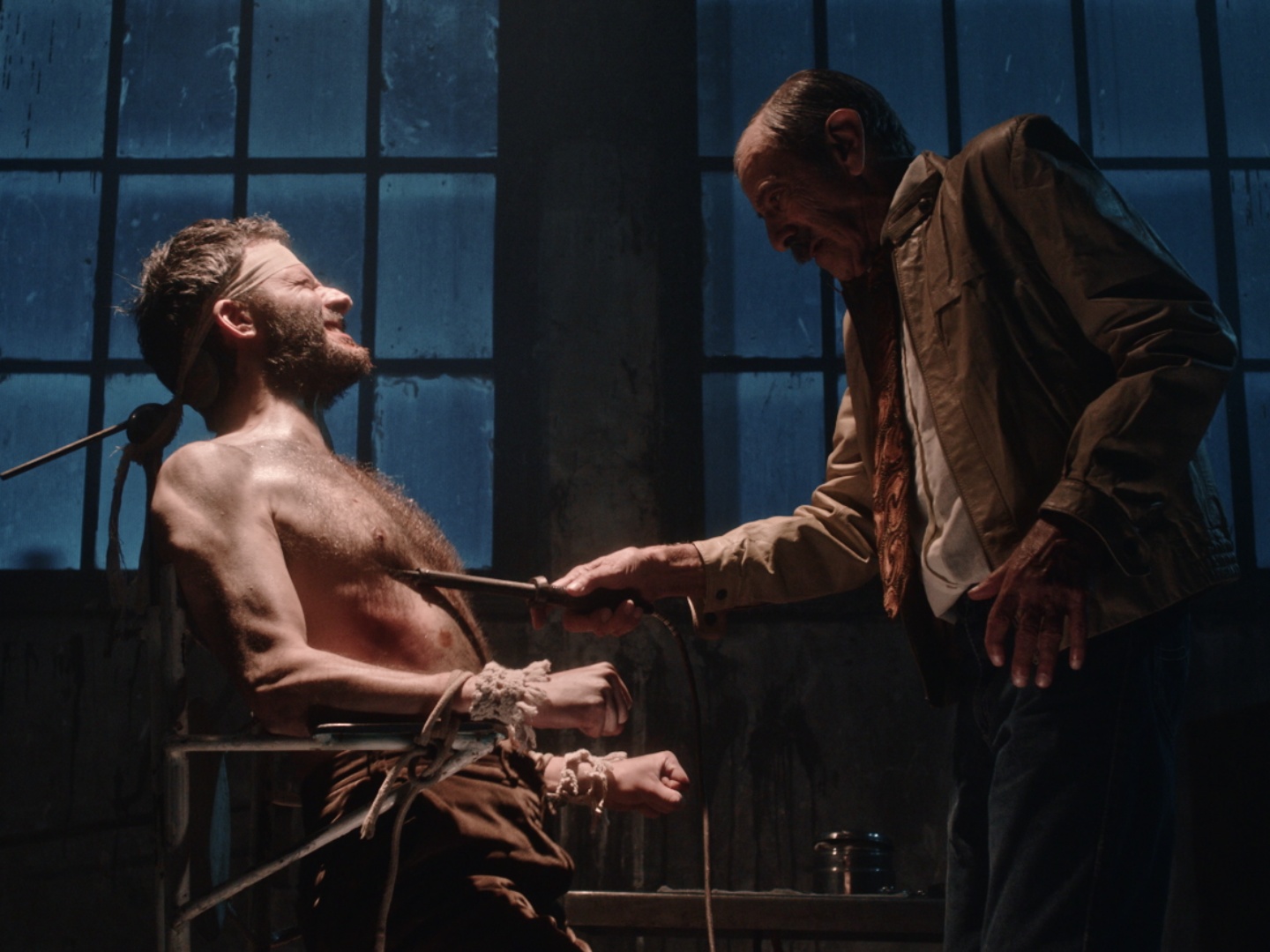
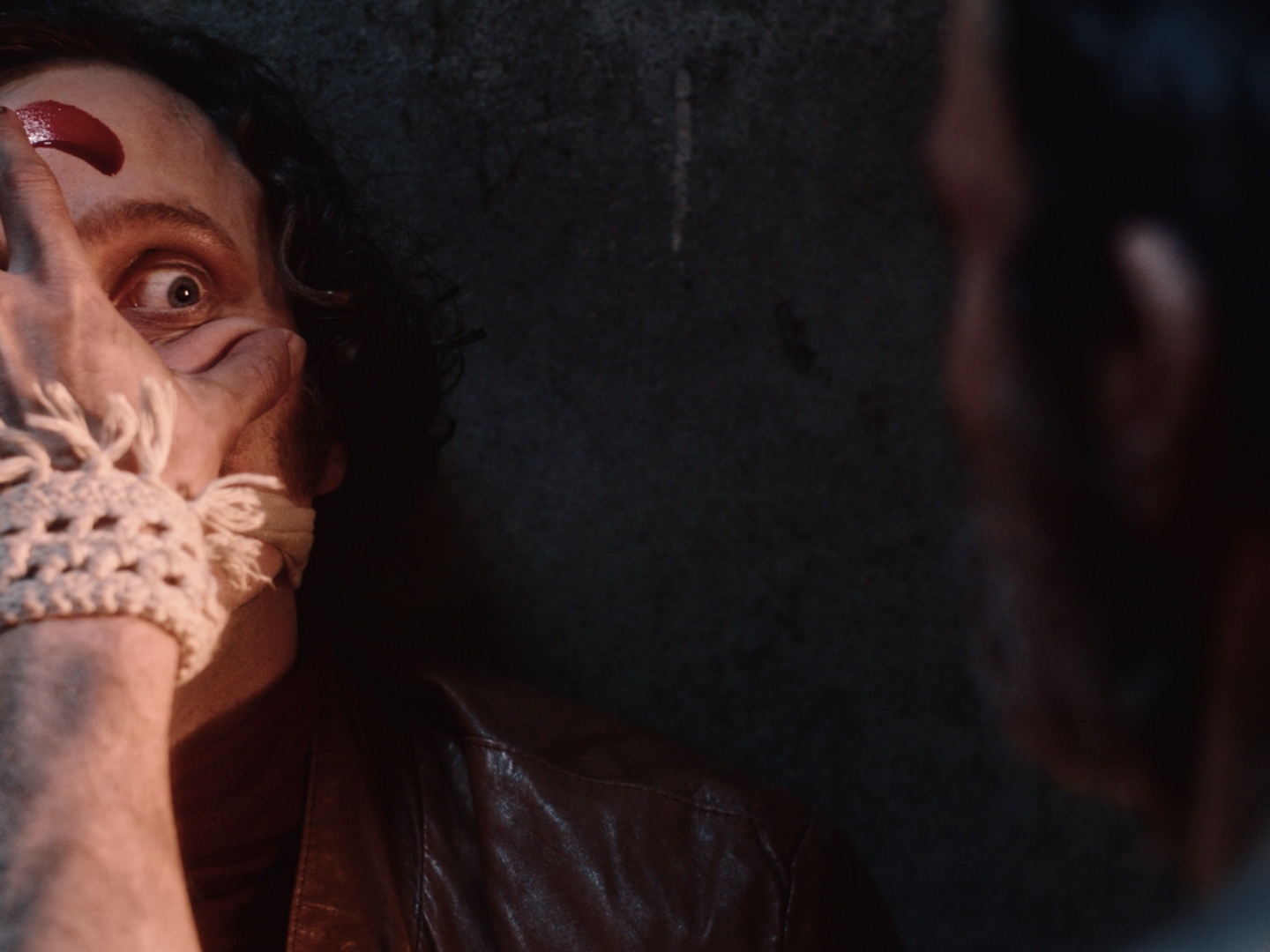
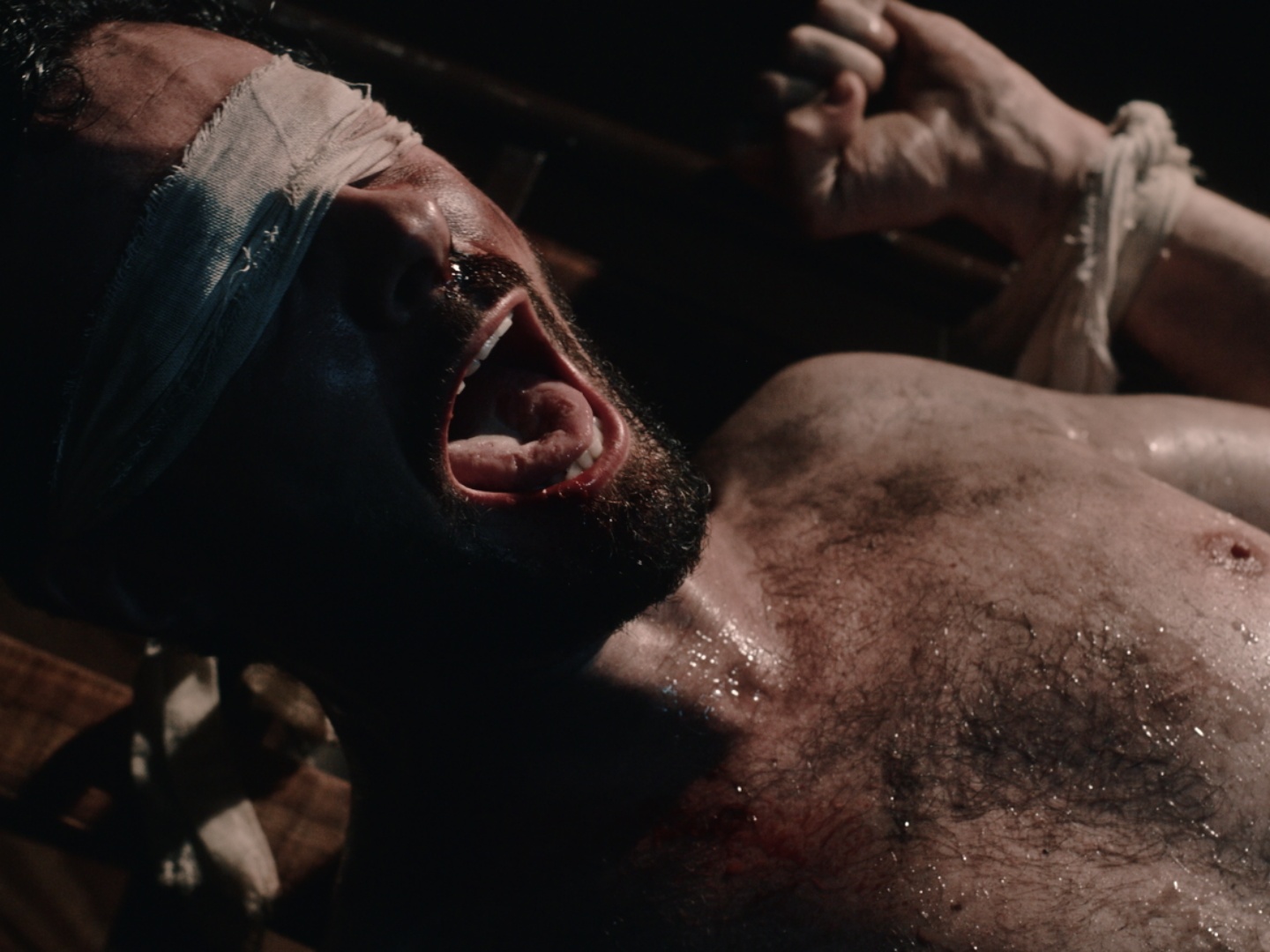
Though the IOC and FIFA claim "sports must remain apolitical," but we needn't discuss the 1988 Seoul Olympics to find examples of sports colluding with politics. Argentina's 1978 World Cup is a prime example. Following the 1976 coup to overthrow Isabel Perón's administration, Jorge Rafael Videla's military dictatorship used the World Cup to legitimize its power and cover up human rights abuses. The regime manipulated match schedules, encouraged biased refereeing, and—as shown in 1978—used the event as cover to arrest, torture, and sexually abuse thousands of political prisoners. The film features a priest who represents the Catholic Church's complicity in these atrocities. Against this grim historical backdrop, the narrative veers into gore horror with the appearance of a satanic cult. Though this genre shift may feel jarring, those that endured unspeakable torture would have imagined divine power and their diabolical retribution in their minds wouldn't have been any less cruel than what is depicted in the film. Perhaps political drama and horror are more compatible than we think. (MOON Seok)


1899-5433
(04031) 4F, 16, Yanghwa-ro 15-gil, Mapo-gu, Seoul, Republic of Korea
T. +82 (0)2 2285 0562 F. +82 (0)2 2285 0560
(54999) 2F, Jeonju Cine Complex, 22, Jeonjugaeksa 3-gil, Wansan-gu, Jeonju-si, Jeonbuk-do, Republic of Korea
T. +82 (0)63 288 5433 F. +82 (0)63 288 5411
(54999) Jeonju Cine Complex, 22, Jeonjugaeksa 3-gil, Wansan-gu, Jeonju-si, Jeonbuk-do, Republic of Korea
T. +82 (0)63 231 3377