The JEONJU Cinema Project represents the JEONJU International Film Festival's commitment to independent cinema, investing directly in low-budget feature films to nurture new voices.
The program's international impact speaks for itself through an impressive string of recent accolades: Samsara received the Special Jury Award in the Encounters section at Berlinale 2023; Direct Action won Best Film in the Encounters section along with Special Mention of the Documentary Award Jury at Berlinale 2024, as well as Cinema du Reel Grand Prix; When Clouds Hide the Shadow opened the Horizontes Latinos section of the 2024 San Sebastian International Film Festival; and Nothing in Its Place competed in the Proxima section of the Karlovy Vary International Film Festival while also winning both Best Director and Special Jury Award at the Adana Golden Boll Film Festival. These honors confirm the growing international recognition and collaborative spirit surrounding JEONJU IFF's filmmaking initiatives.
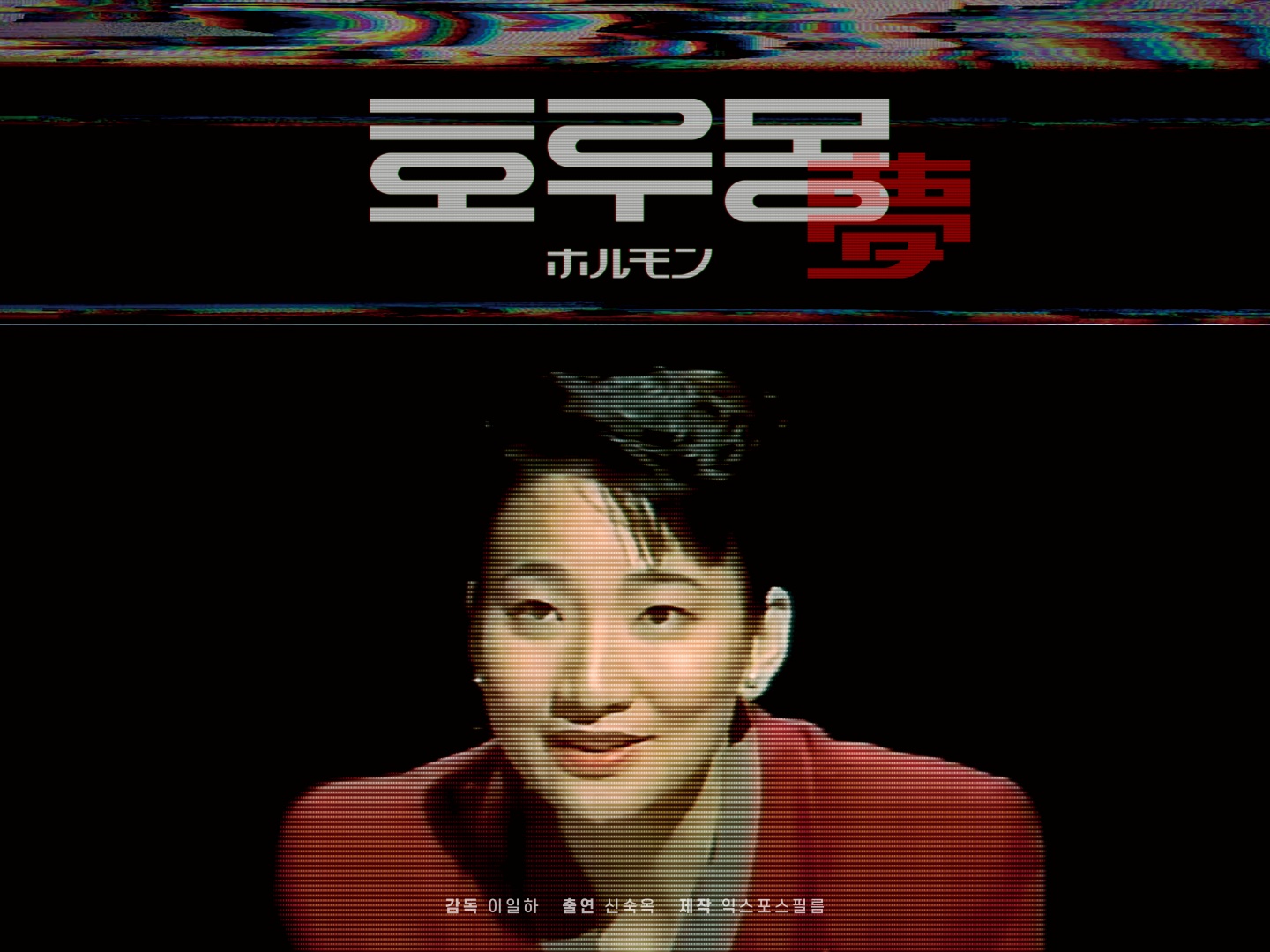
We are thrilled to present the world premiere of Horoomon, the latest documentary from director Lee Ilha, whose earlier works including A Crybaby Boxing Club (2014), Counters (2017), and I am More (2021) have explored the theme of human rights and social issues across Korea and Japan.
The film follows Shin Sugok, a successful third-generation Korean Japanese (zainichi) businesswoman whose life takes a turn when a Tokyo mayor's far-right comments in 2000 ignite her passion for social justice and human rights. It tracks her courageous campaign against anti-Korean hate speech through the ‘Norikoe' (meaning ‘overcoming') project and her determined advocacy to draw out legal protection. Along with this central narrative, the film perfectly weaves the modern history of three generations of Korean-Japanese women?grandmother Lee Baek-ran, mother Keiko, and Shin herself?against the backdrop of South and North Korean as well as Japanese relations without exaggeration. With profound visual imagery and confident editing, Lee studies the characters, whose nature embodies both resilience and unwavering energy, and crafts a clear exploration of complex themes like human rights, ethnic identity, history, gender, politics, and resistance.
While the film can be described with words like ‘still quietude,' ‘serene tranquility,' ‘pure snow,' and ‘heavy rain,' through the encounter between the young and steadfast Shin Sugok who is perhaps best characterized by “strong youthfulness” and the warm and energetic Director Lee Ilha who can be described as “warm strength,” it becomes both a torch lighting the way toward genuine solidarity and a candle where characters, stories, and direction share their flames.
Through Horoomon, we hope to reaffirm the spirit and context of the JEONJU IFF and JEONJU Cinema Project, which have strived to discover works that transcend the various boundaries of society, humanity, relationships, history, and diversity. Despite the current realities of the film industry, the JEONJU Cinema Project will continue its efforts to discover creative voices with new subjects and fresh visual language, and to support them in the future. (Park Taejun)